
Sinnoh is a mountainous region inspired by Japan’s northern island of Hokkaido. Characterized by its cold climate, rugged terrain, and deep mythological roots, Sinnoh presents a more ancient and mysterious atmosphere than previous regions. The region is dominated by Mt. Coronet, a massive mountain range that bisects the land and plays a central role in Sinnoh’s geography and lore. The region’s landscape includes snowy peaks, deep caves, dense forests, and expansive lakes, reflecting a world shaped by ancient natural forces. The varied climate adds an extra layer of environmental storytelling, with locations like Snowpoint City feeling utterly isolated due to constant snowfall.
Sinnoh’s inspiration extends beyond geography, incorporating rich mythological and creation-based themes. The region’s lore is deeply connected to Pokémon deities like Dialga, Palkia, and Arceus, which are linked to time, space, and existence. Ancient sites such as the Spear Pillar and the Celestic Ruins suggest a civilization that revered these legendary Pokémon as divine beings. This blend of history, legend, and geography makes Sinnoh a region steeped in mysticism, encouraging players to explore and uncover the secrets of the Pokémon universe with a sense of intrigue and eagerness.
Pokédex
Pokédex Profile
Pokémon Type Distribution
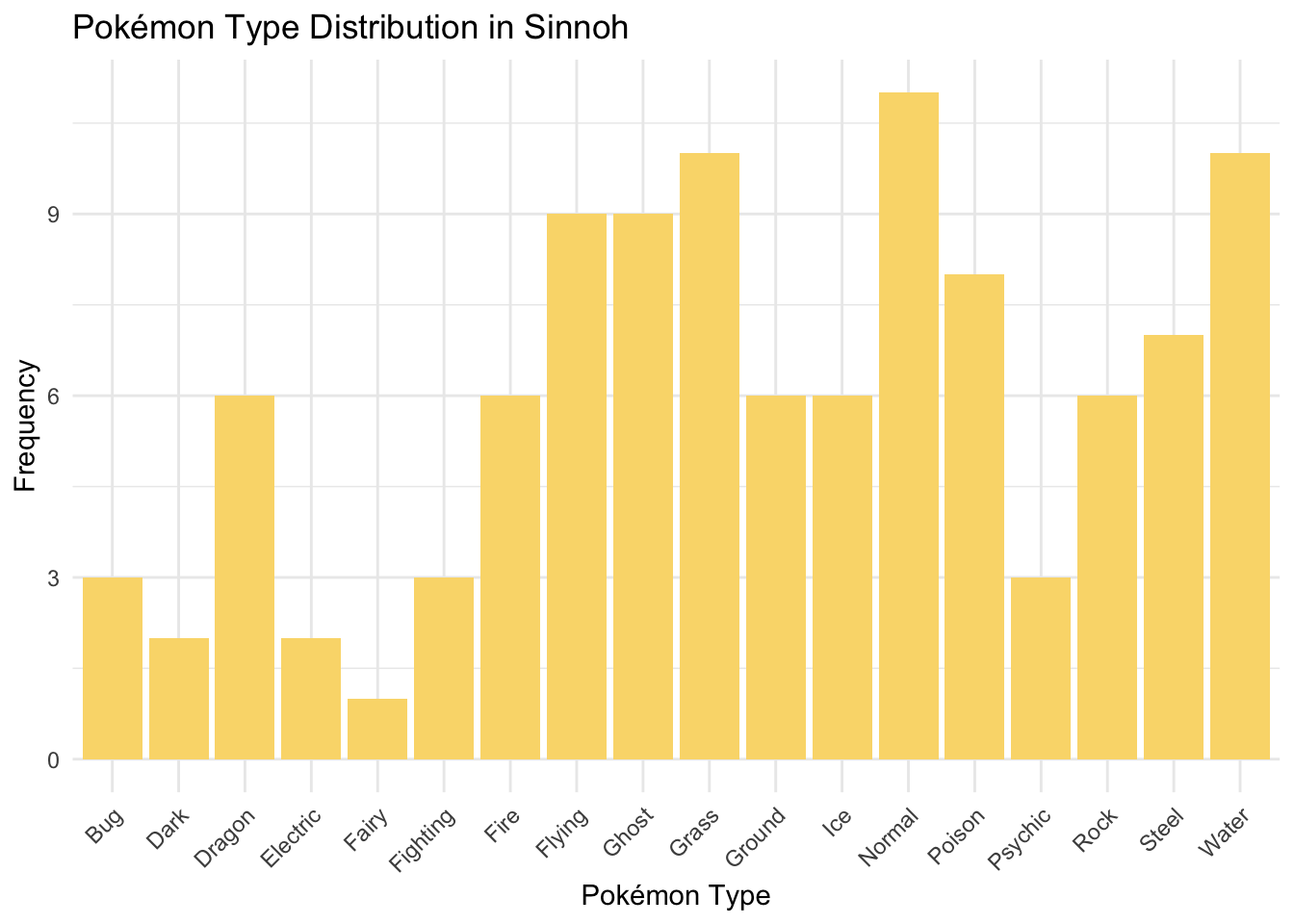
This demonstration explores the distribution of Pokémon types across different regions, revealing how geography and environment influence the Pokémon world. By analyzing type frequency by region, users can identify patterns in how certain types thrive in specific landscapes. The interactive visualizations allow trainers to compare regional ecosystems, uncover trends, and gain a deeper understanding of the relationship between Pokémon habitats and their elemental traits. Designed for educators, researchers, and enthusiasts, this resource bridges the gap between game-play and data analysis, offering an engaging and accessible way to explore Pokémon metadata.
Understanding the distribution of Pokémon types across different regions provides valuable insight into how geography and environment shape the Pokémon world. By analyzing type frequency by region, we can identify patterns in how certain types thrive in specific landscapes. This analysis highlights the ecological diversity within each region and deepens our understanding of how Pokémon adapt to their surroundings. Beyond identifying patterns, this analysis enhances strategic decision-making for trainers and researchers. Understanding which types are most common in each region can help trainers anticipate challenges, build balanced teams, and appreciate the environmental influences on Pokémon availability. For researchers, these insights provide a deeper look into how the Pokémon world mirrors real-world biodiversity, reinforcing the connection between habitat, adaptation, and survival. By engaging with this data, users can uncover new perspectives on the Pokémon universe and explore the dynamic relationship between nature and Pokémon distribution.
Pokémon Attribute Distribution
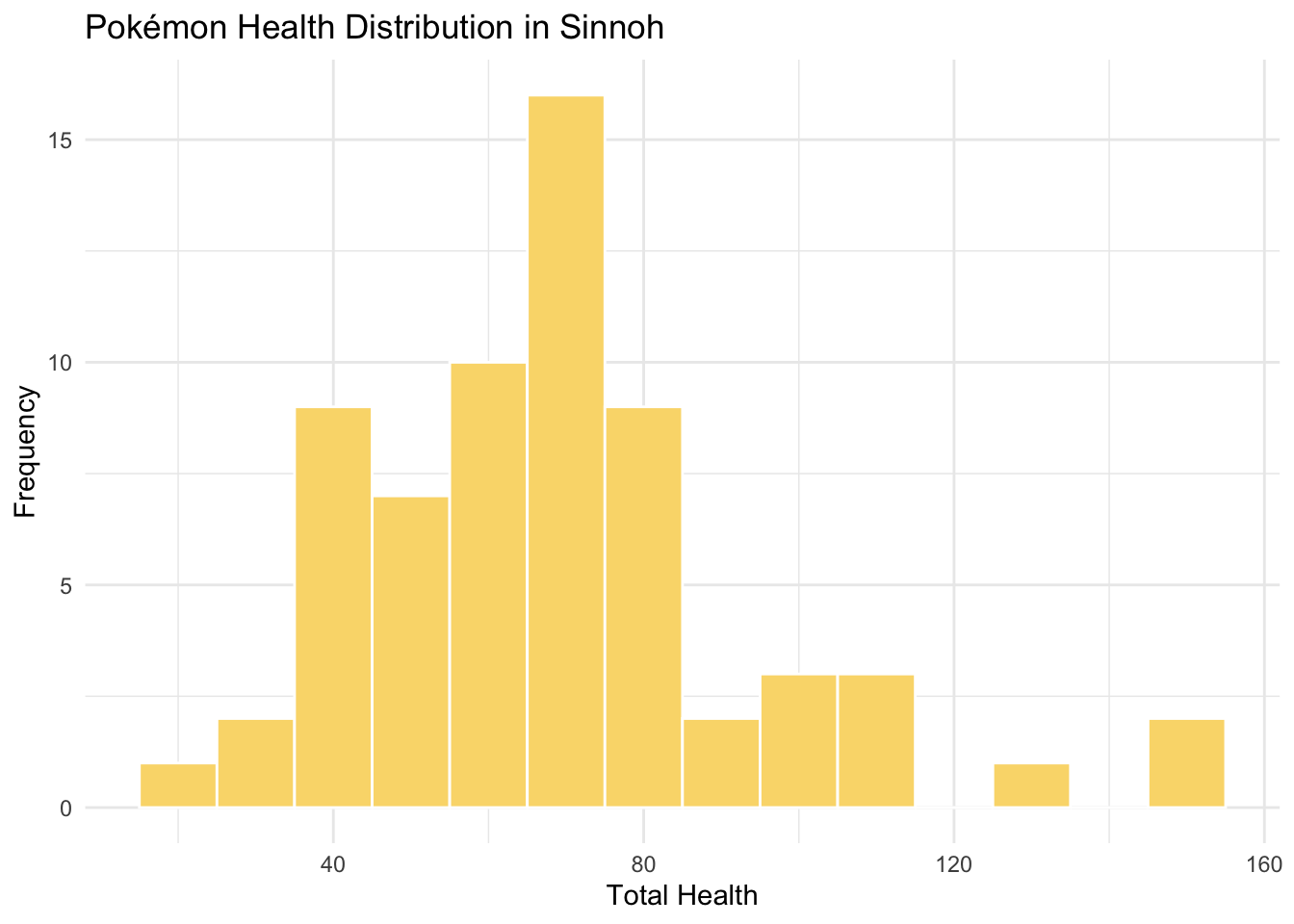
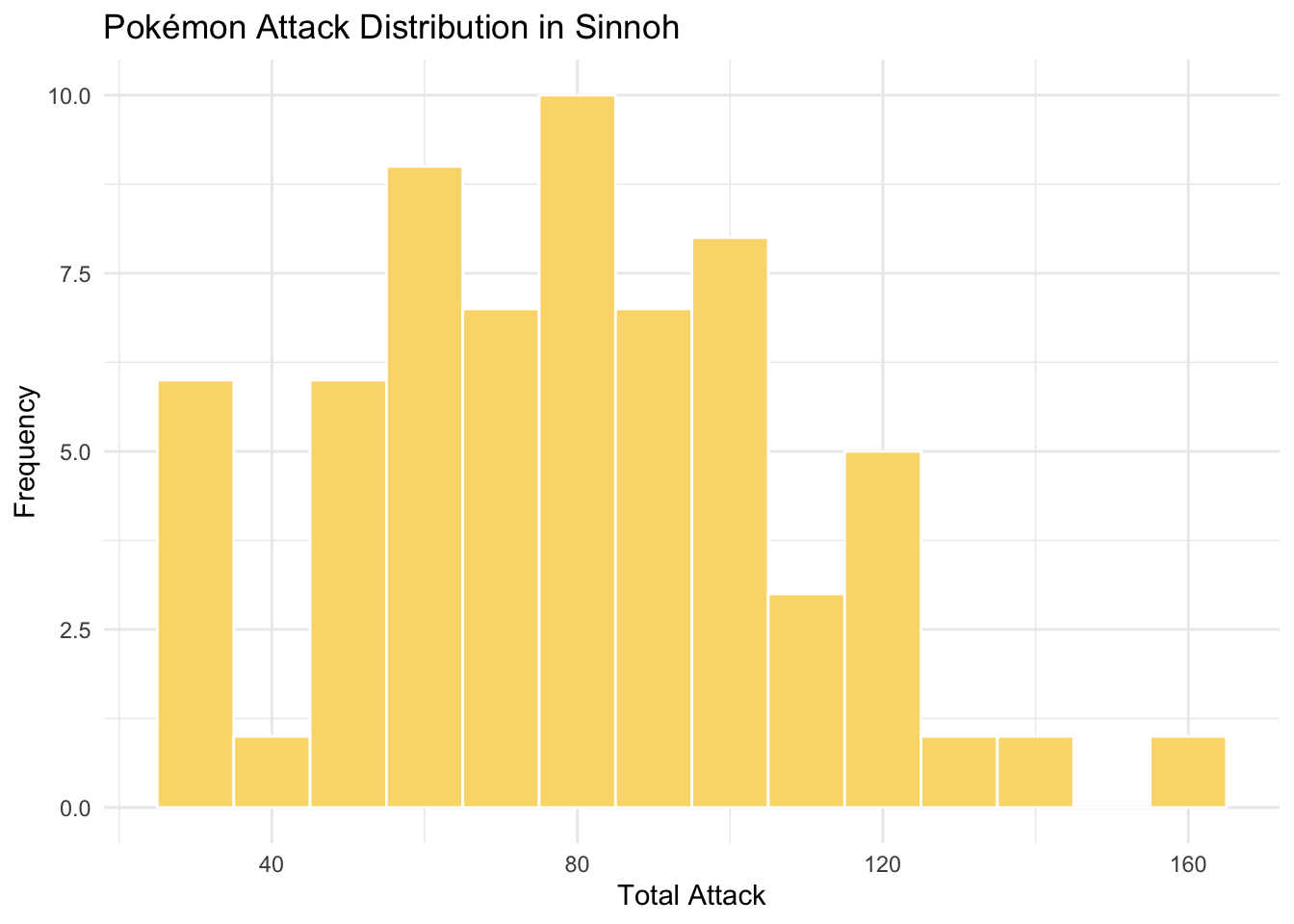
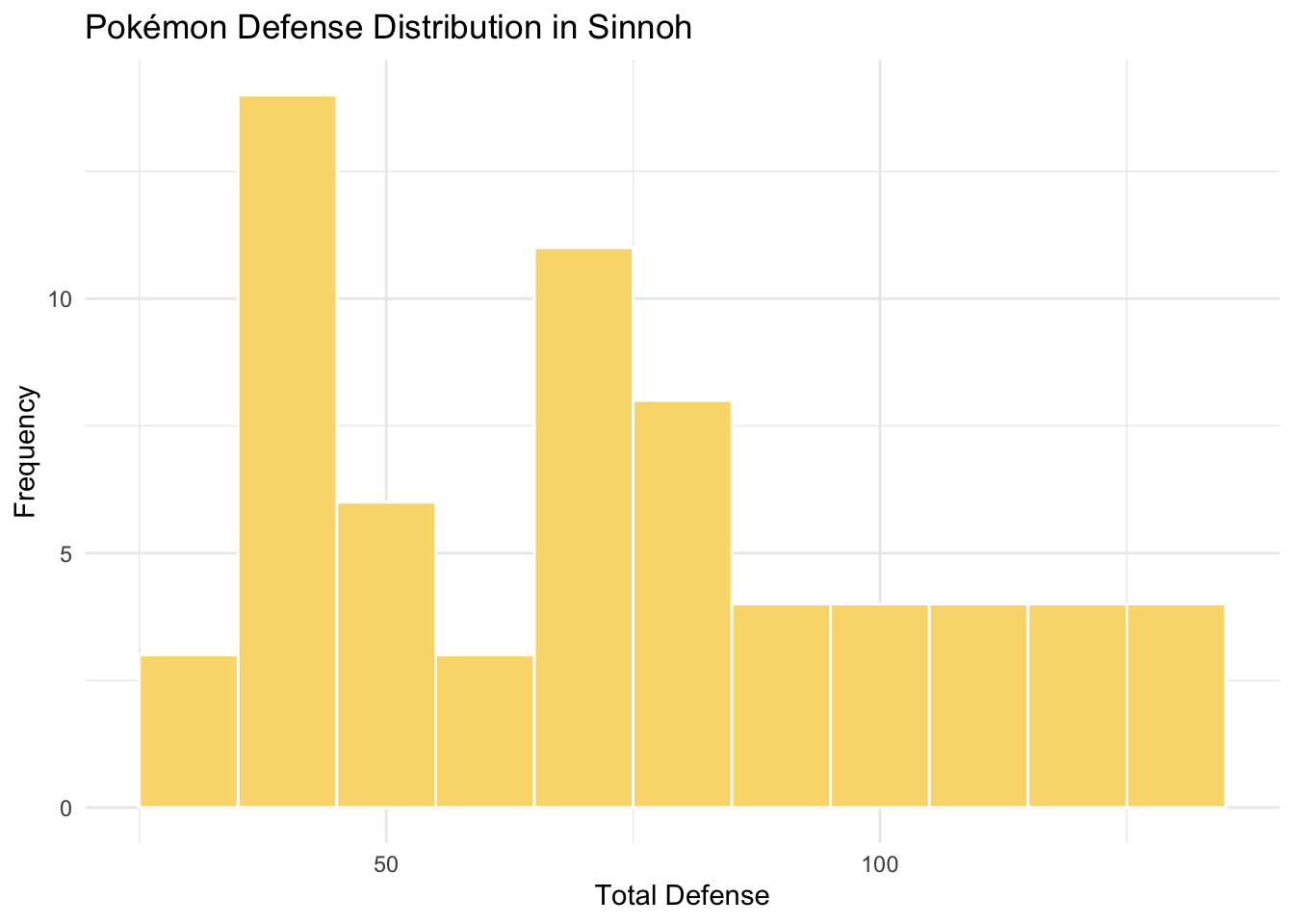
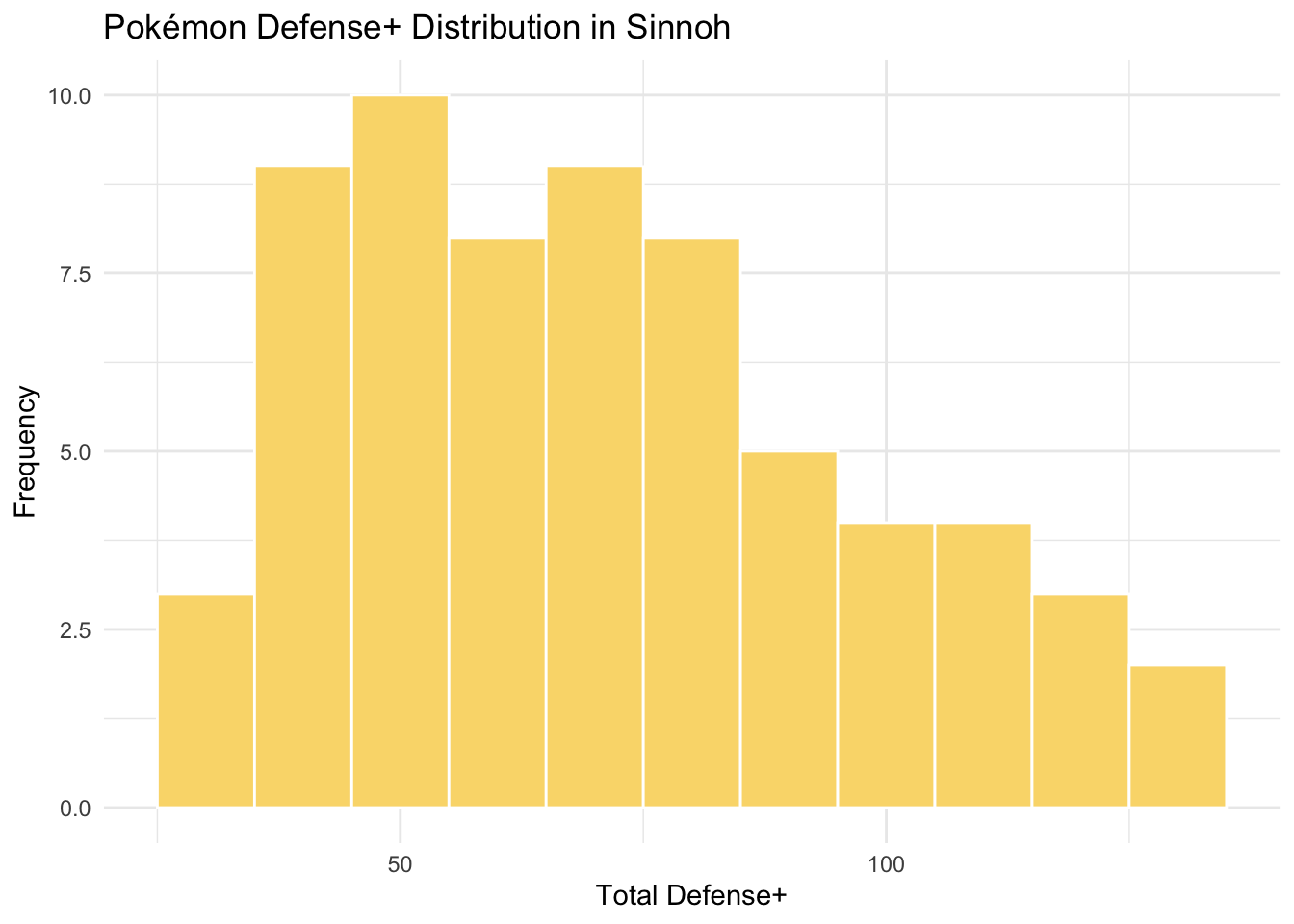
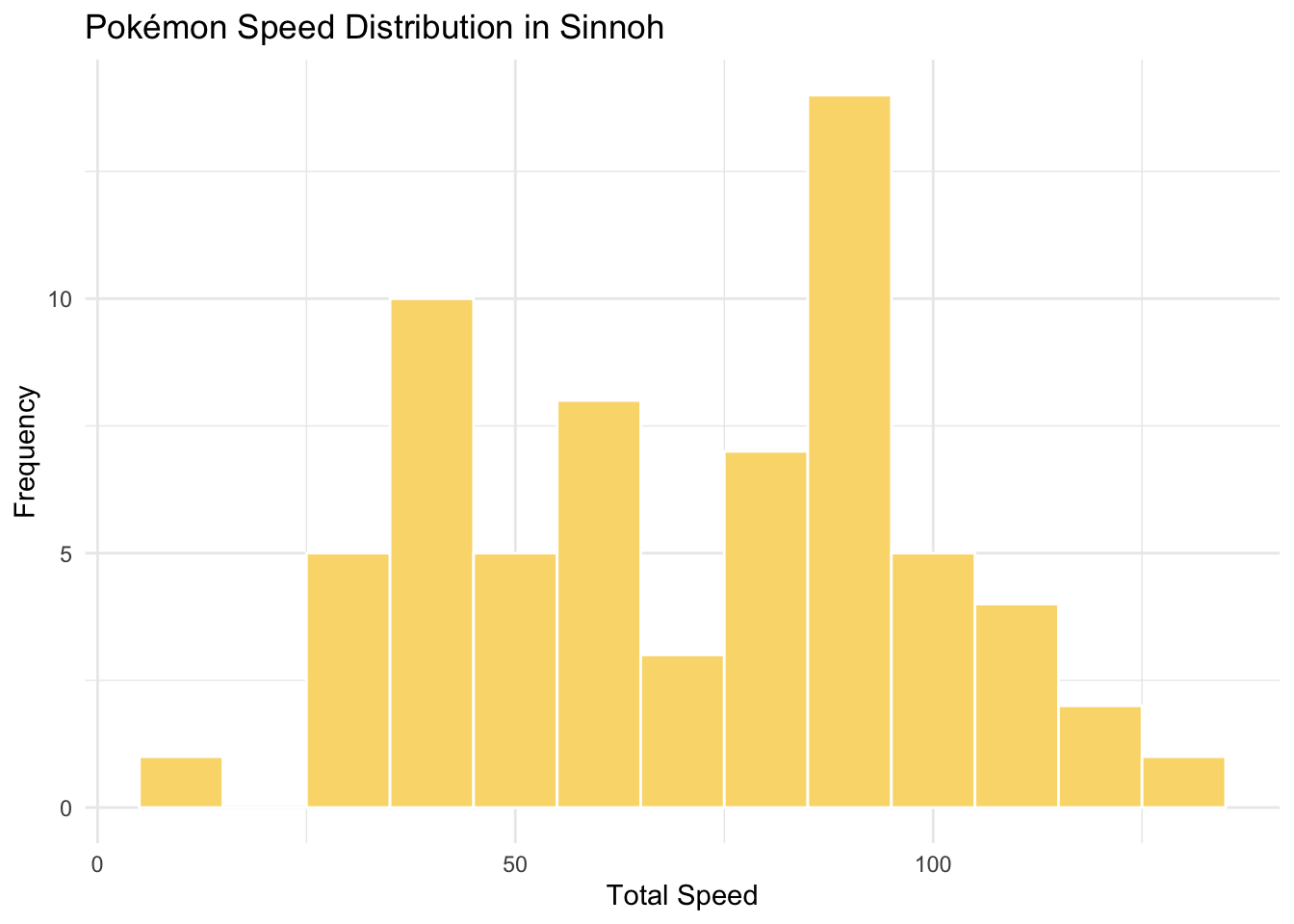
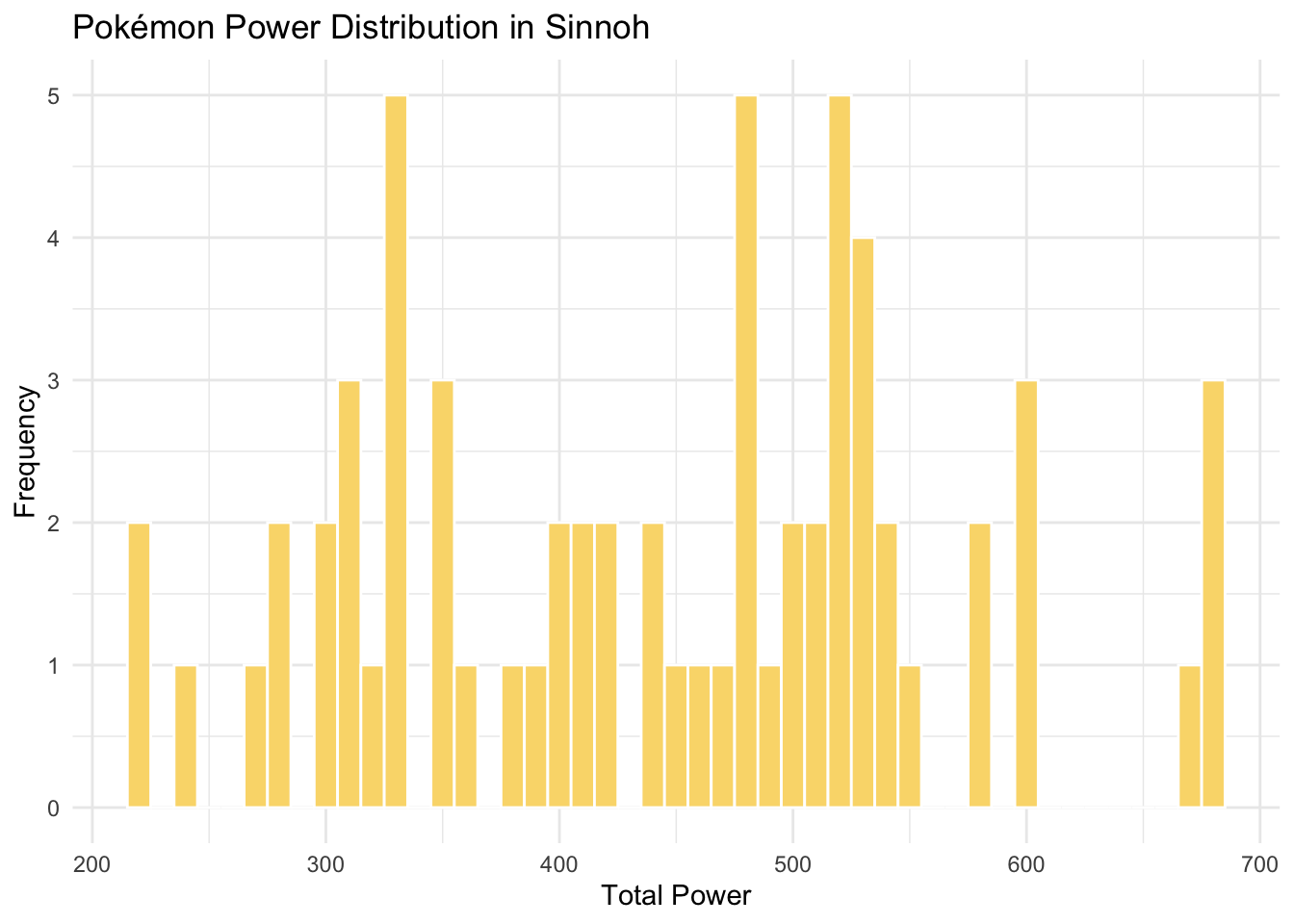
This analysis examines the distribution of Pokémon attributes, such as base stats, abilities, and typing, across different regions, revealing how these characteristics vary based on regional environments and design philosophies. By evaluating attribute frequency and stat distributions, users can uncover trends in how Pokémon are balanced within their ecosystems. Interactive visualizations allow trainers to compare regional averages, explore outliers, and gain insights into how different factors—such as habitat, evolution, and competitive viability—shape the distribution of Pokémon attributes. This resource is designed for educators, researchers, and enthusiasts, offering an engaging and accessible approach to exploring Pokémon metadata through statistical analysis.
Understanding the distribution of Pokémon attributes across regions provides valuable insights into game design and strategic planning. By analyzing patterns in base stats, ability prevalence, and type distributions, we can observe how certain attributes are emphasized in specific areas. This analysis highlights regional variation in Pokémon design, from power scaling in later generations to introducing unique abilities that reflect environmental adaptation. By studying these differences, we can better appreciate how Pokémon attributes evolve over time and across different settings. Beyond identifying trends, this analysis enhances strategic decision-making for trainers and researchers. Understanding which stat distributions and abilities are most common in each region helps trainers optimize team compositions, anticipate battle dynamics, and adapt to competitive landscapes. For researchers, these findings provide a data-driven perspective on how the Pokémon series develops its in-game ecosystems, reinforcing the connection between game mechanics, regional themes, and attribute balance. By engaging with this data, users can uncover new perspectives on the Pokémon universe and explore the intricate relationship between Pokémon attributes and their designed environments.