
Galar is heavily inspired by the United Kingdom, featuring a rich blend of industrial cities, historic sites, and rolling countryside. The region’s geography is structured along a vertical axis, reflecting the elongated shape of Great Britain, with its capital, Wyndon, positioned at the northernmost point, similar to London. The landscape varies from the sprawling farmlands of the southern Wild Area to the misty forests and towering cliffs of the northern routes. Towns and cities showcase a mix of medieval architecture, brick-built industrial factories, and grand stadiums, emphasizing the region’s strong ties to history, industry, and sports culture. Including train stations and an underground railway system also reflects Britain’s extensive transportation network, while locales like Ballonlea, with its bioluminescent mushroom forests, add a touch of fantasy.
Galar’s culture and themes revolve around competition, industry, and heritage. The region is deeply influenced by the UK’s passion for sports, mainly soccer, which is reflected in the Gym Challenge, where battles occur in massive stadiums with roaring crowds. The industrial revolution’s impact is evident in cities like Motostoke, where towering smokestacks and metal bridges symbolize Galar’s working-class roots. Ancient ruins and mysterious relics, such as the murals in Stow-on-Side, highlight Galar’s profound historical lore, drawing inspiration from British legends like King Arthur and the Stonehenge monuments. Legendary Pokémon Zacian and Zamazenta embody knightly chivalry, reinforcing the region’s medieval influences. With a narrative focused on tradition versus progress, Galar presents a world where past and present collide, shaping an area deeply rooted in its historical and cultural legacy.
Pokédex
Pokédex Profile
Pokémon Type Distribution
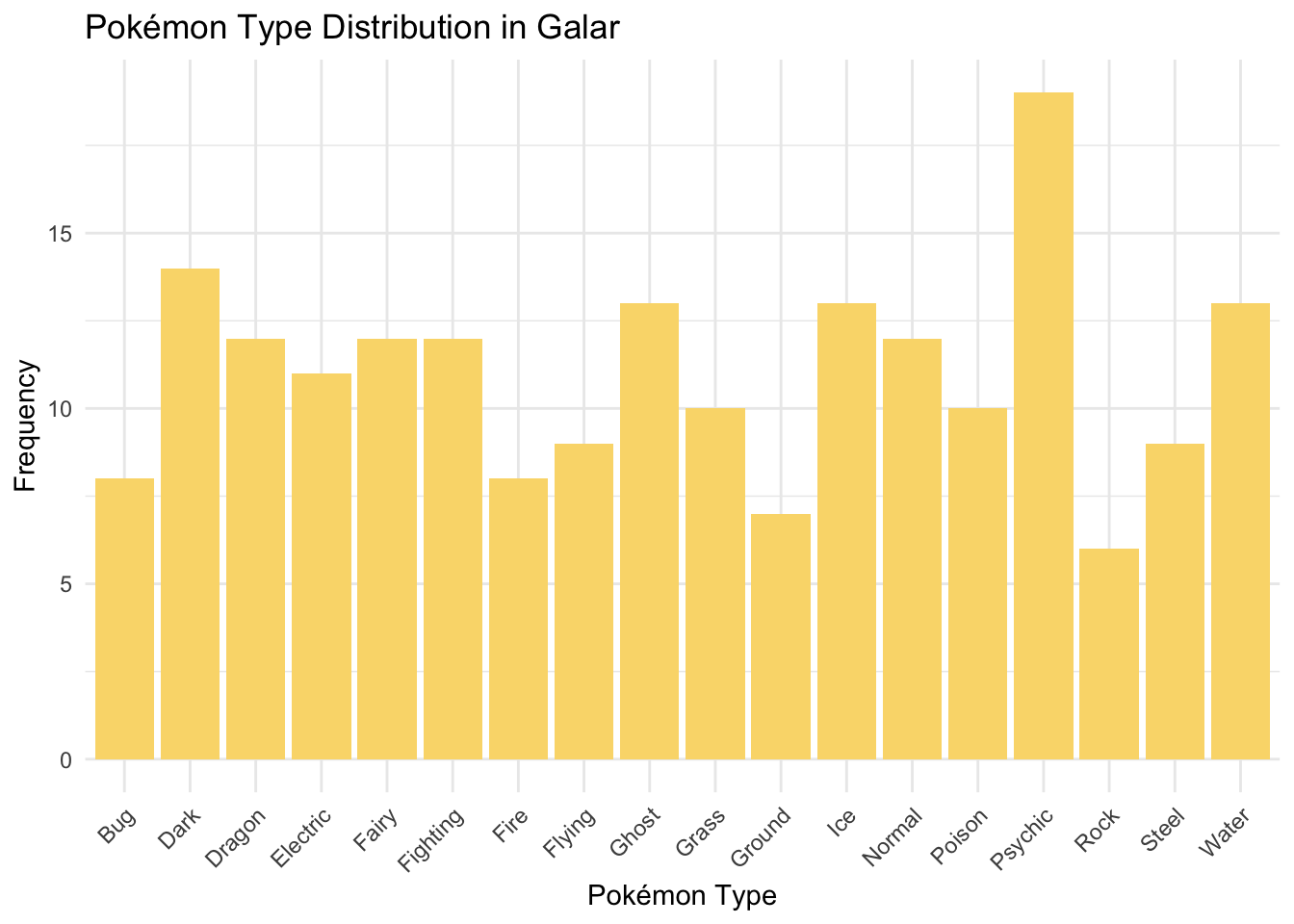
This demonstration explores the distribution of Pokémon types across different regions, revealing how geography and environment influence the Pokémon world. By analyzing type frequency by region, users can identify patterns in how certain types thrive in specific landscapes. The interactive visualizations allow trainers to compare regional ecosystems, uncover trends, and gain a deeper understanding of the relationship between Pokémon habitats and their elemental traits. Designed for educators, researchers, and enthusiasts, this resource bridges the gap between game-play and data analysis, offering an engaging and accessible way to explore Pokémon metadata.
Understanding the distribution of Pokémon types across different regions provides valuable insight into how geography and environment shape the Pokémon world. By analyzing type frequency by region, we can identify patterns in how certain types thrive in specific landscapes. This analysis highlights the ecological diversity within each region and deepens our understanding of how Pokémon adapt to their surroundings. Beyond identifying patterns, this analysis enhances strategic decision-making for trainers and researchers. Understanding which types are most common in each region can help trainers anticipate challenges, build balanced teams, and appreciate the environmental influences on Pokémon availability. For researchers, these insights provide a deeper look into how the Pokémon world mirrors real-world biodiversity, reinforcing the connection between habitat, adaptation, and survival. By engaging with this data, users can uncover new perspectives on the Pokémon universe and explore the dynamic relationship between nature and Pokémon distribution.
Pokémon Attribute Distribution
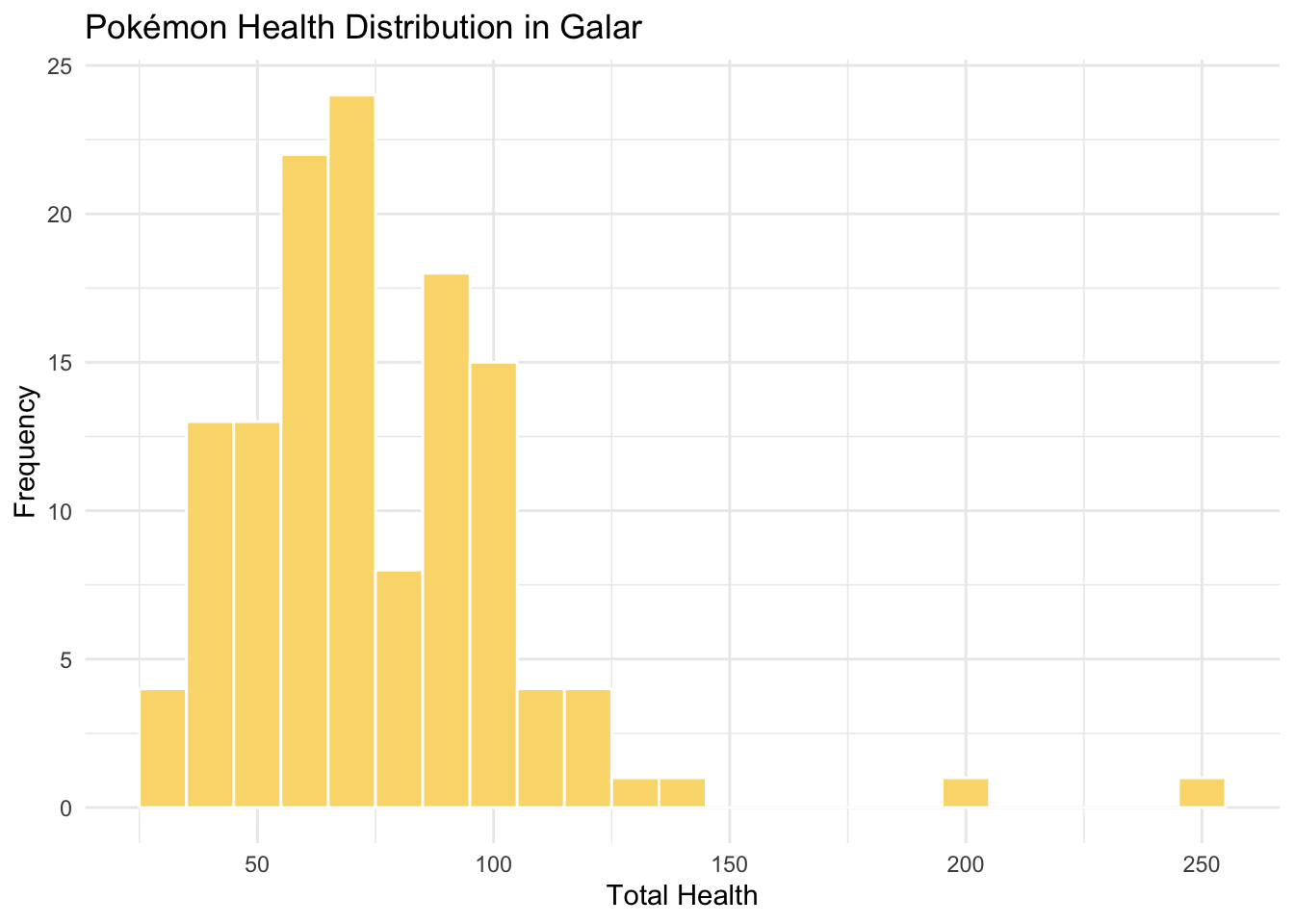
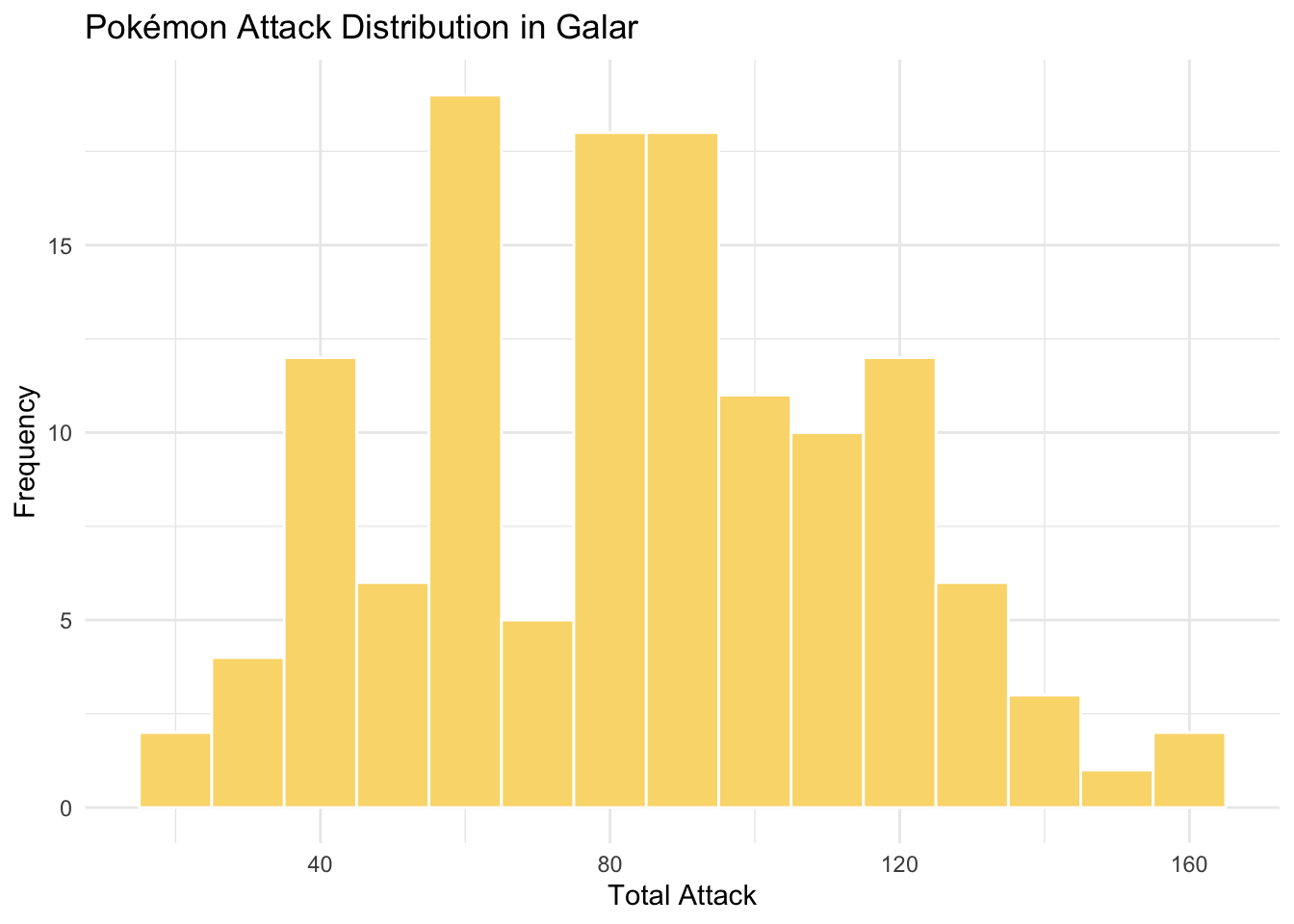
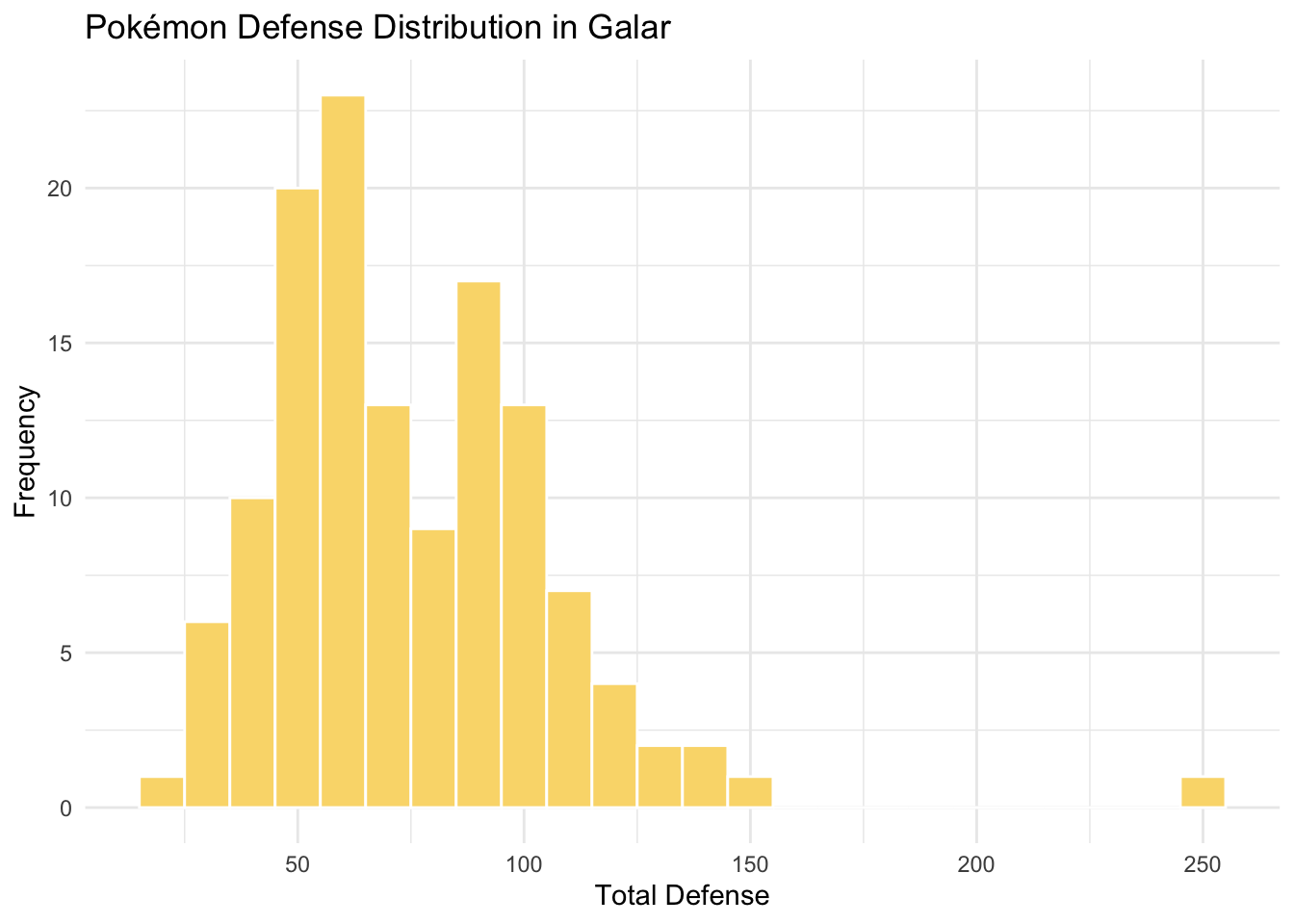
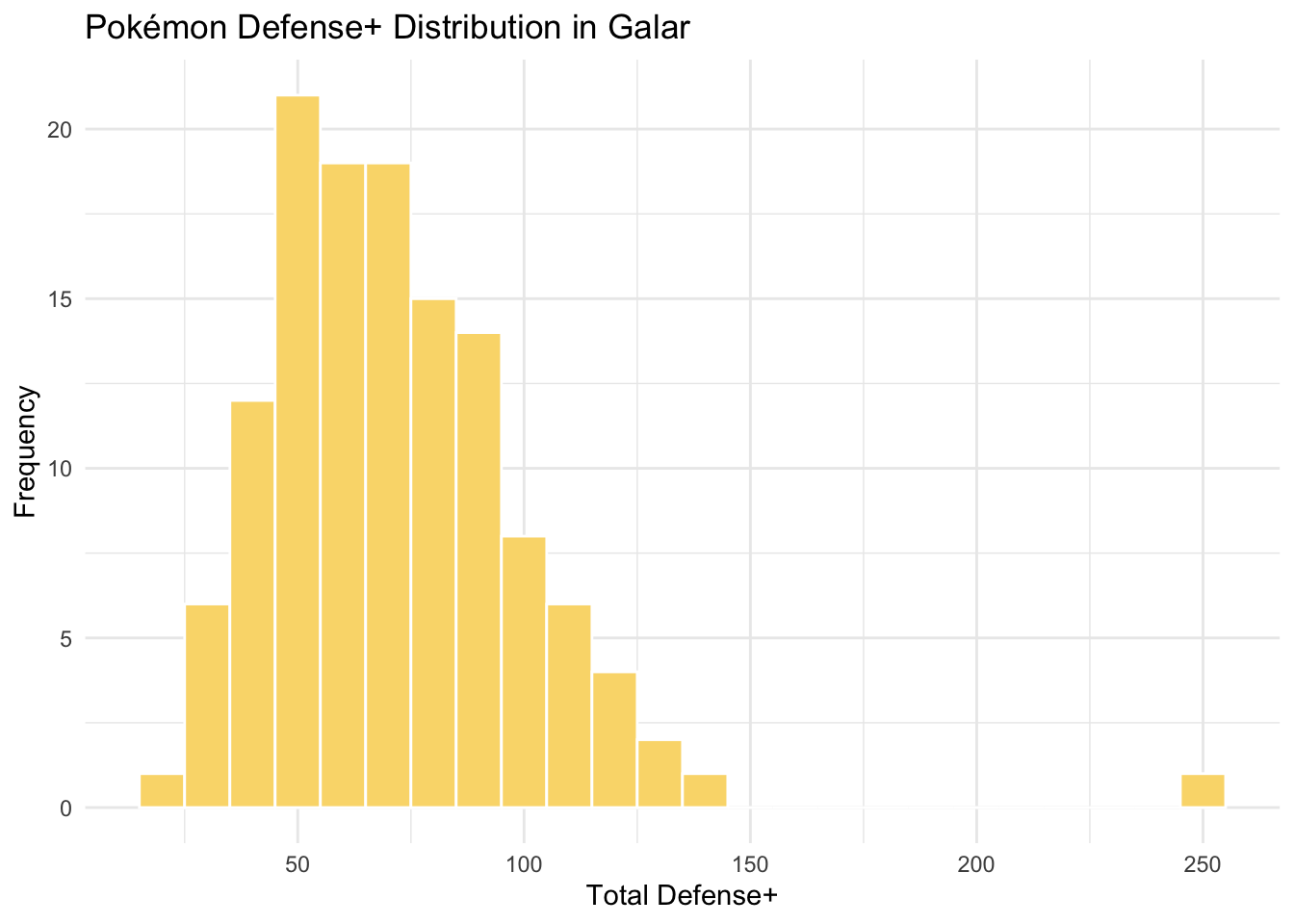
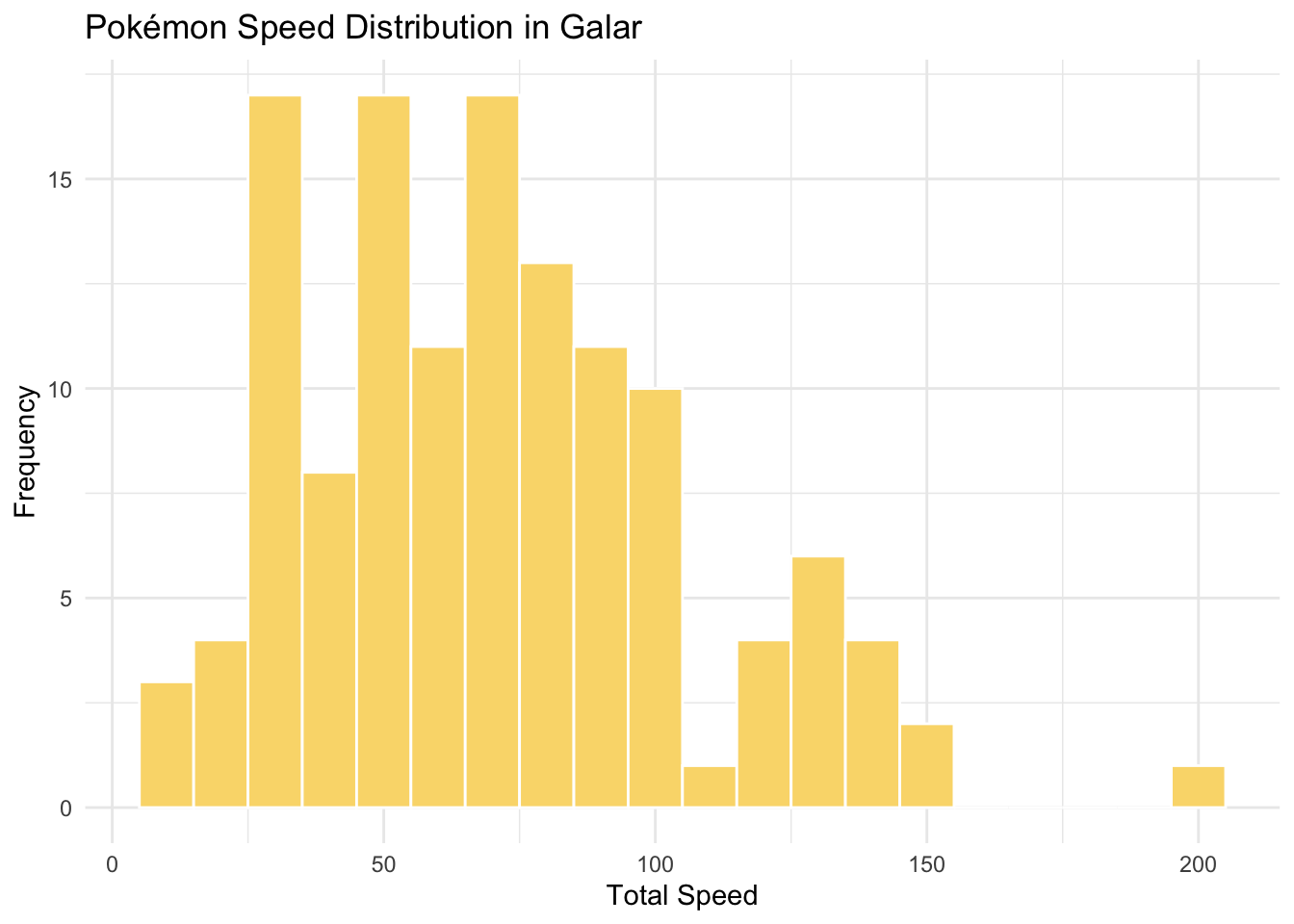
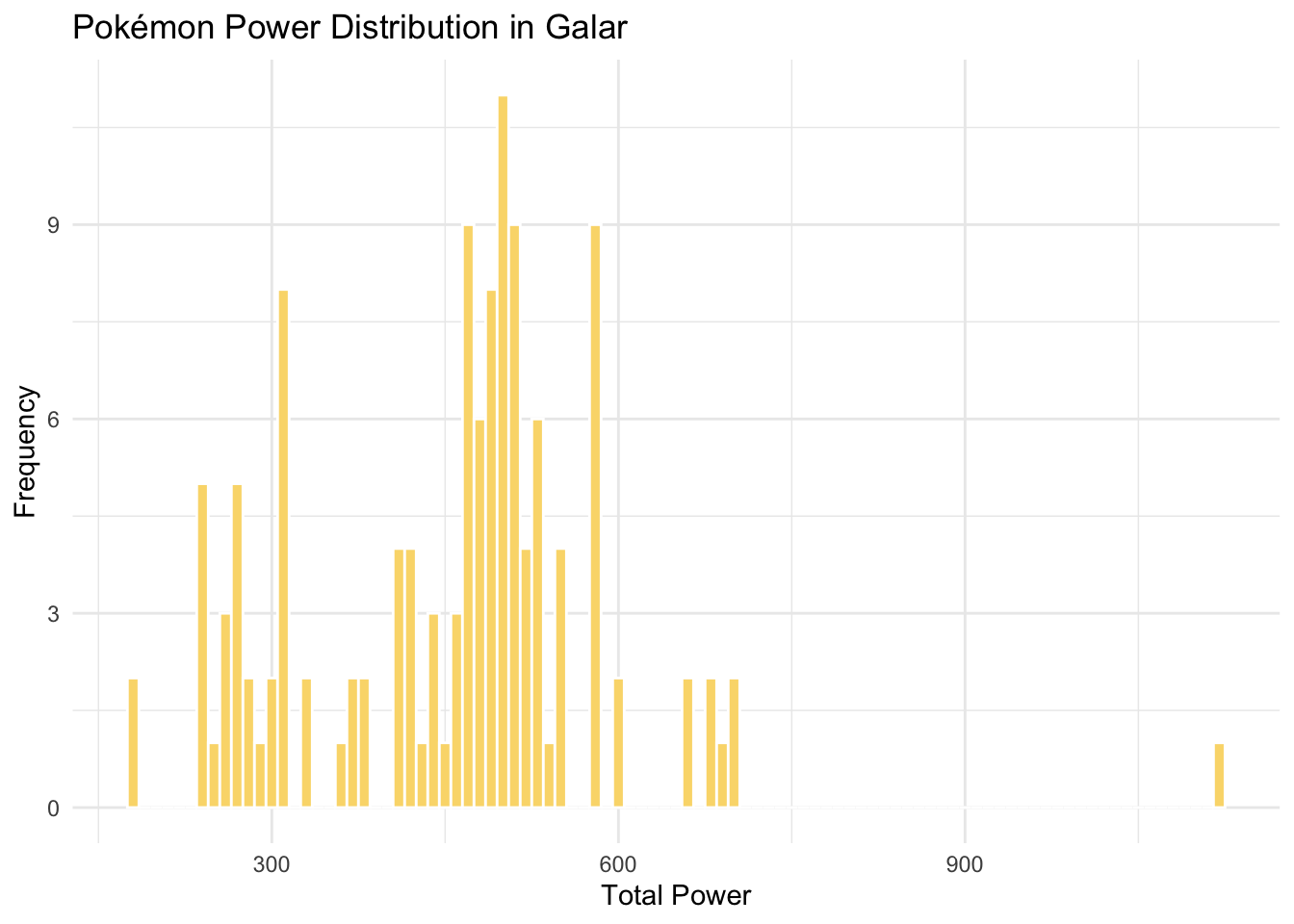
This analysis examines the distribution of Pokémon attributes, such as base stats, abilities, and typing, across different regions, revealing how these characteristics vary based on regional environments and design philosophies. By evaluating attribute frequency and stat distributions, users can uncover trends in how Pokémon are balanced within their ecosystems. Interactive visualizations allow trainers to compare regional averages, explore outliers, and gain insights into how different factors—such as habitat, evolution, and competitive viability—shape the distribution of Pokémon attributes. This resource is designed for educators, researchers, and enthusiasts, offering an engaging and accessible approach to exploring Pokémon metadata through statistical analysis.
Understanding the distribution of Pokémon attributes across regions provides valuable insights into game design and strategic planning. By analyzing patterns in base stats, ability prevalence, and type distributions, we can observe how certain attributes are emphasized in specific areas. This analysis highlights regional variation in Pokémon design, from power scaling in later generations to introducing unique abilities that reflect environmental adaptation. By studying these differences, we can better appreciate how Pokémon attributes evolve over time and across different settings. Beyond identifying trends, this analysis enhances strategic decision-making for trainers and researchers. Understanding which stat distributions and abilities are most common in each region helps trainers optimize team compositions, anticipate battle dynamics, and adapt to competitive landscapes. For researchers, these findings provide a data-driven perspective on how the Pokémon series develops its in-game ecosystems, reinforcing the connection between game mechanics, regional themes, and attribute balance. By engaging with this data, users can uncover new perspectives on the Pokémon universe and explore the intricate relationship between Pokémon attributes and their designed environments.