
Paldea is inspired by the Iberian Peninsula, encompassing Spain and Portugal’s rich history, warm climate, and vibrant cultures. Unlike previous regions, Paldea features a vast open-world design with expansive plains, rugged mountain ranges, and picturesque coastal towns. The area is characterized by its terracotta-roofed villages, sun-soaked vineyards, and grand plazas reminiscent of Mediterranean architecture. Central to Paldea’s design is the Great Crater of Paldea, a massive geological landmark that serves as both a scientific enigma and a key narrative element. The diverse biomes include arid deserts, lush olive groves, and volcanic peaks, reflecting the natural beauty of the Iberian landscape. Cities like Mesagoza, which houses a prestigious academy, take inspiration from renowned Spanish universities, while other towns pay homage to Spain’s lively fiestas and traditional marketplaces.
Paldea’s cultural themes emphasize exploration, education, and self-discovery. The Academy system plays a central role in the region, encouraging players to embark on an academic journey inspired by Spain’s strong emphasis on learning and tradition. The three distinct story paths—Victory Road, Starfall Street, and the Path of Legends—offer a non-linear approach to storytelling, mirroring the idea of choosing one’s own path in life. Paldea’s Legendary Pokémon, Koraidon and Miraidon, represent different eras of history, highlighting the region’s fascination with time, innovation, and blending past and future. The influence of Spanish folklore is seen in the designs of Pokémon such as Flamigo, which resembles the national bird of Spain, and the use of architectural motifs reminiscent of Gaudí’s work in places like the art-filled Levincia. With its warm color palette, lively culture, and emphasis on independence, Paldea stands out as a region that celebrates the joy of discovery and the deep historical roots of the Iberian world.
Pokédex
Pokédex Profile
Pokémon Type Distribution
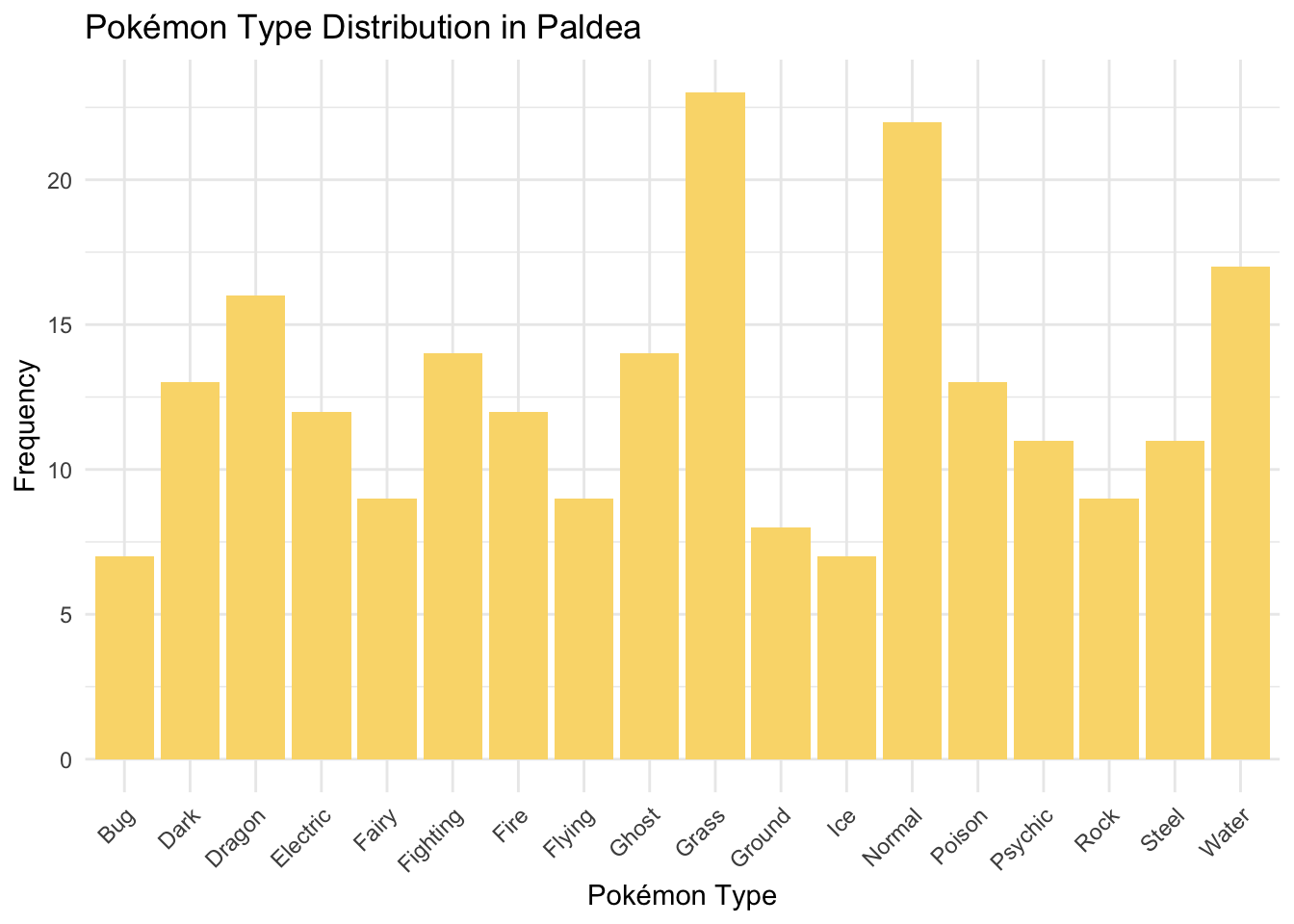
This demonstration explores the distribution of Pokémon types across different regions, revealing how geography and environment influence the Pokémon world. By analyzing type frequency by region, users can identify patterns in how certain types thrive in specific landscapes. The interactive visualizations allow trainers to compare regional ecosystems, uncover trends, and gain a deeper understanding of the relationship between Pokémon habitats and their elemental traits. Designed for educators, researchers, and enthusiasts, this resource bridges the gap between game-play and data analysis, offering an engaging and accessible way to explore Pokémon metadata.
Understanding the distribution of Pokémon types across different regions provides valuable insight into how geography and environment shape the Pokémon world. By analyzing type frequency by region, we can identify patterns in how certain types thrive in specific landscapes. This analysis highlights the ecological diversity within each region and deepens our understanding of how Pokémon adapt to their surroundings. Beyond identifying patterns, this analysis enhances strategic decision-making for trainers and researchers. Understanding which types are most common in each region can help trainers anticipate challenges, build balanced teams, and appreciate the environmental influences on Pokémon availability. For researchers, these insights provide a deeper look into how the Pokémon world mirrors real-world biodiversity, reinforcing the connection between habitat, adaptation, and survival. By engaging with this data, users can uncover new perspectives on the Pokémon universe and explore the dynamic relationship between nature and Pokémon distribution.
Pokémon Attribute Distribution
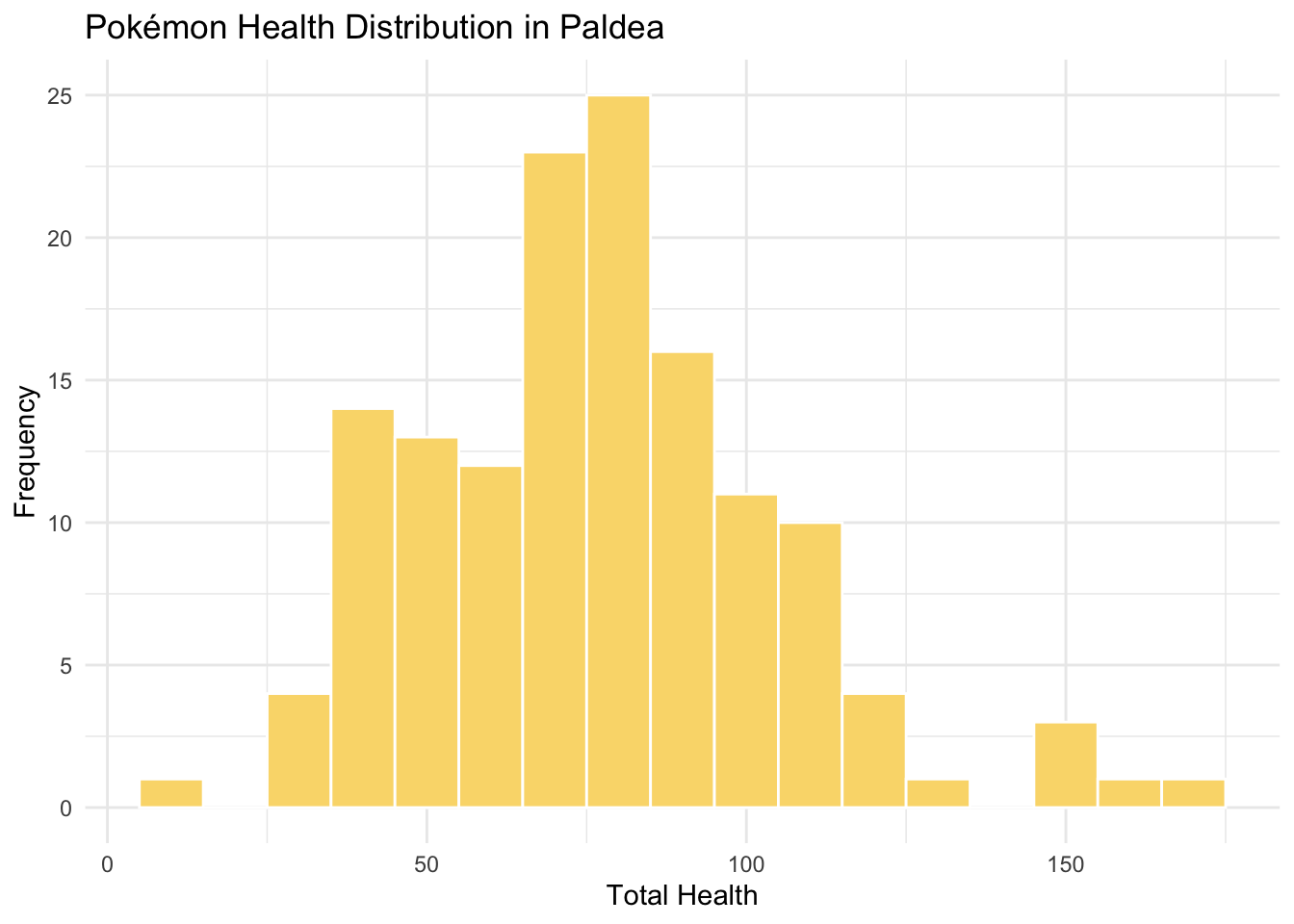
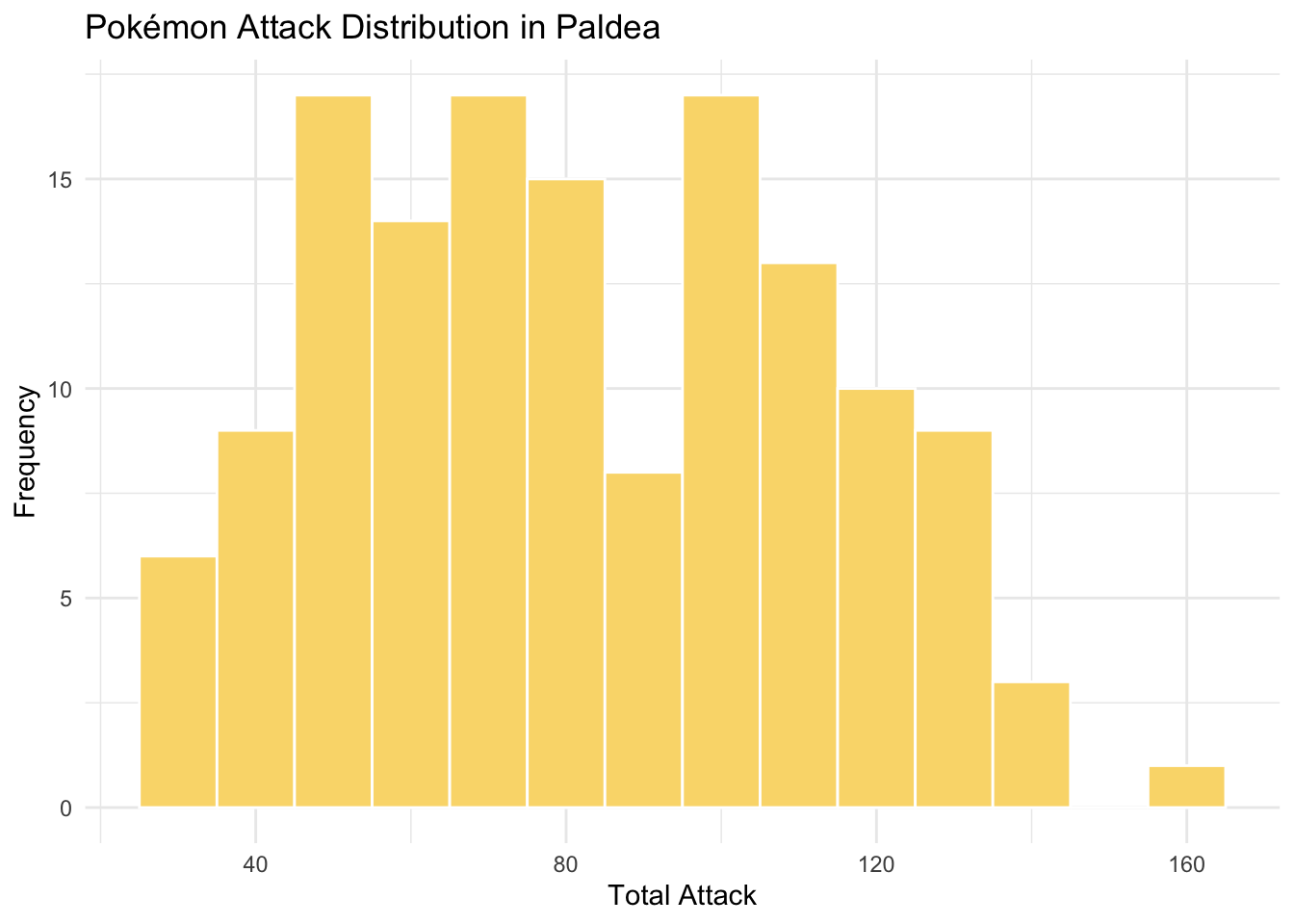
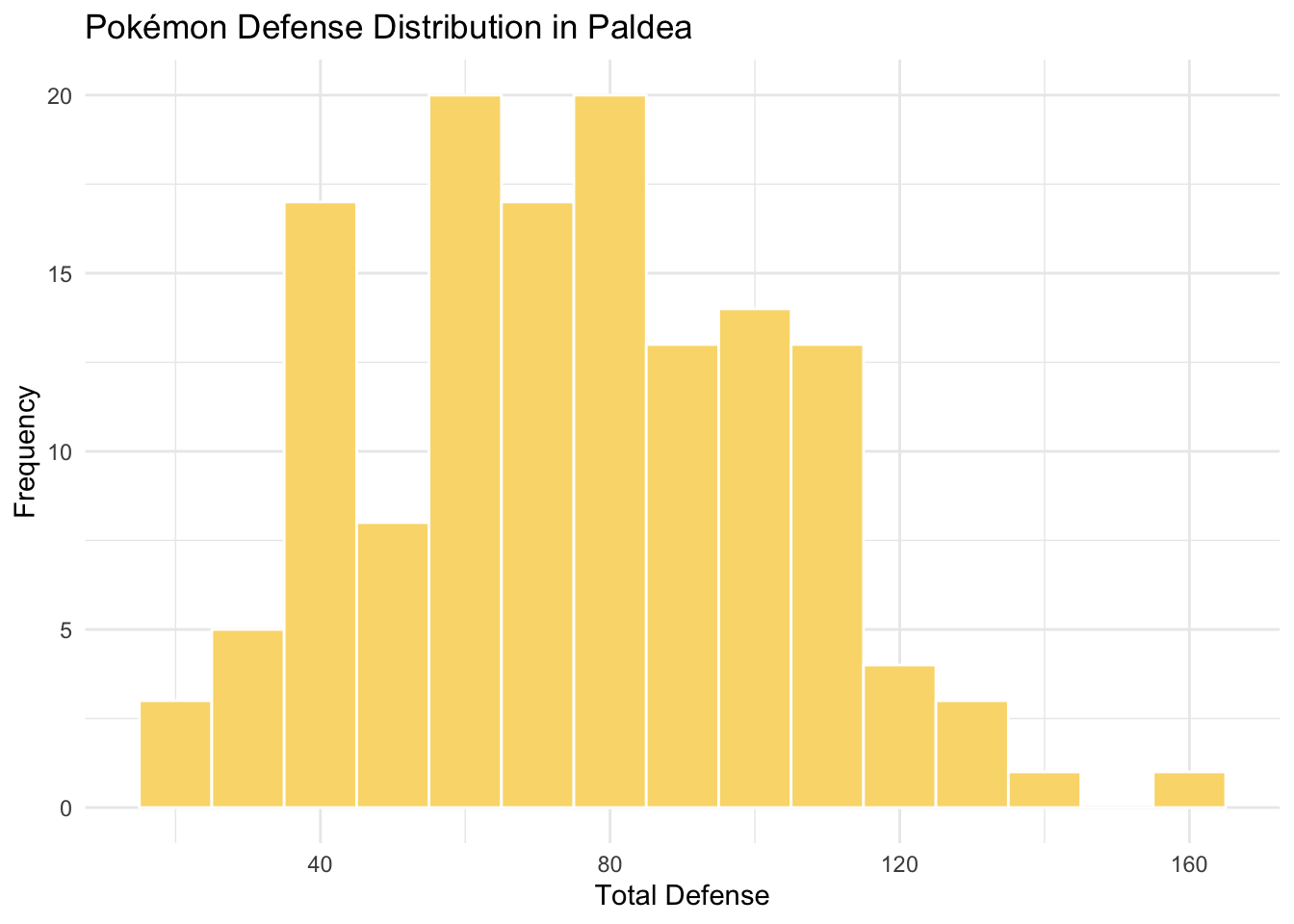
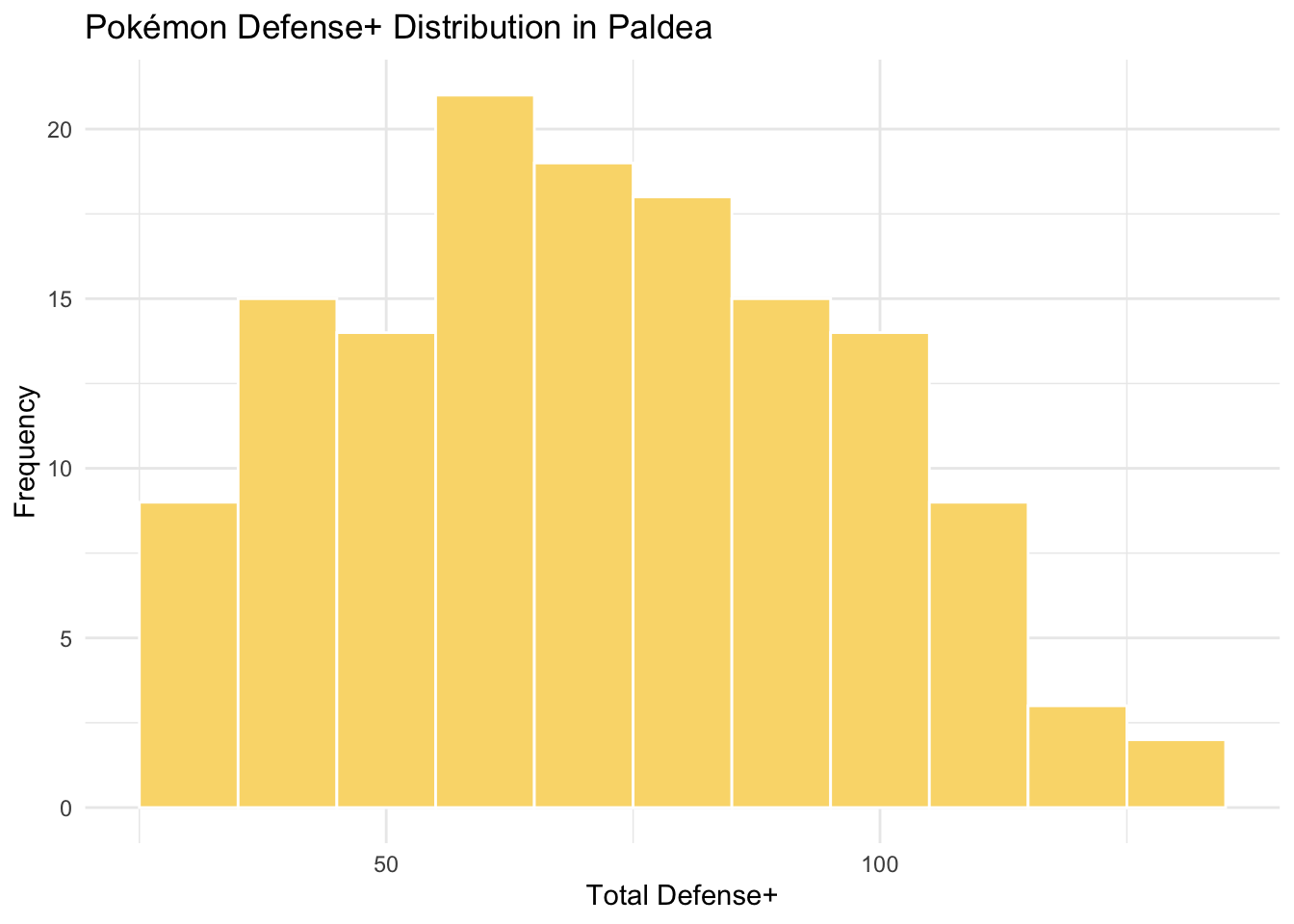
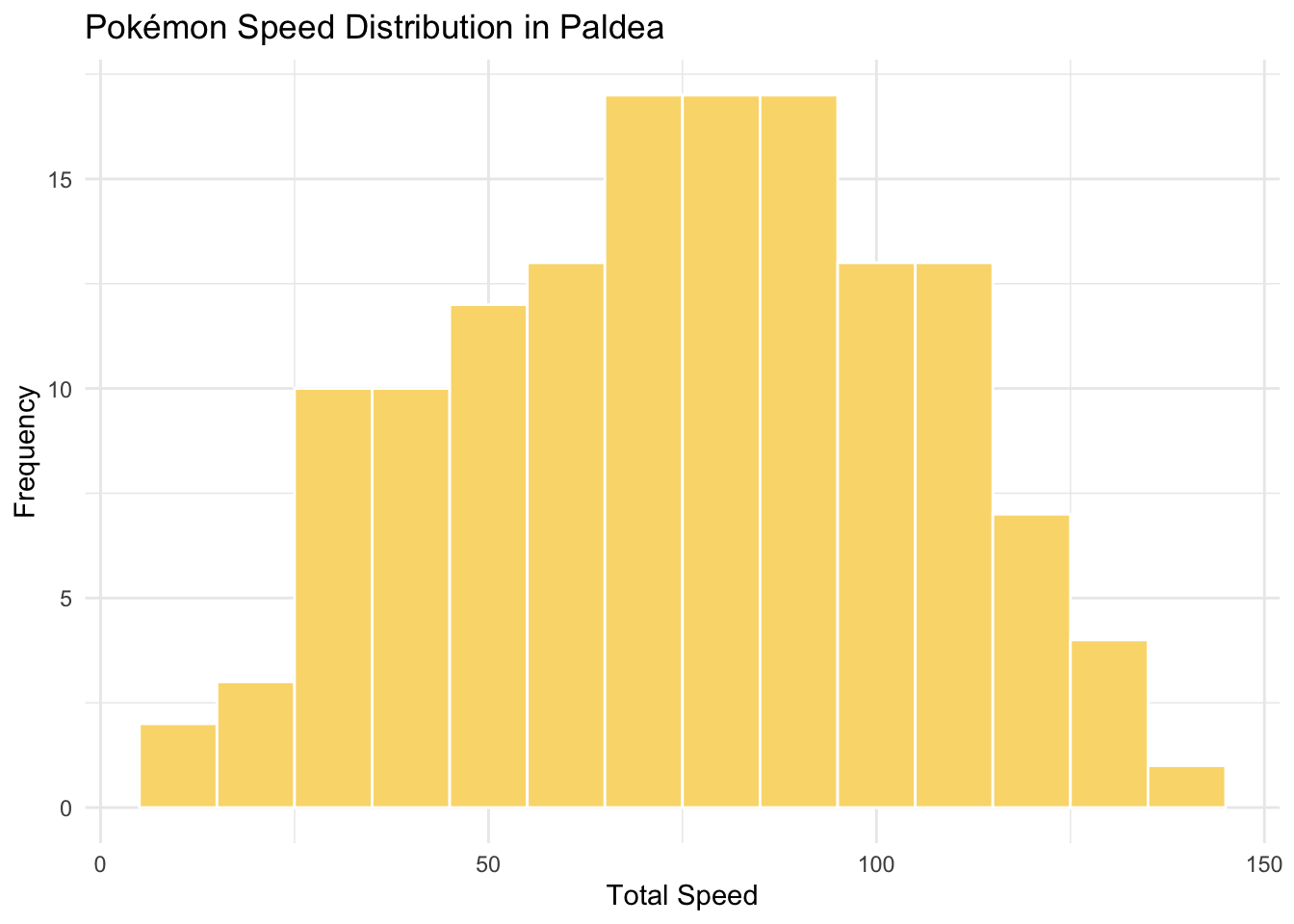
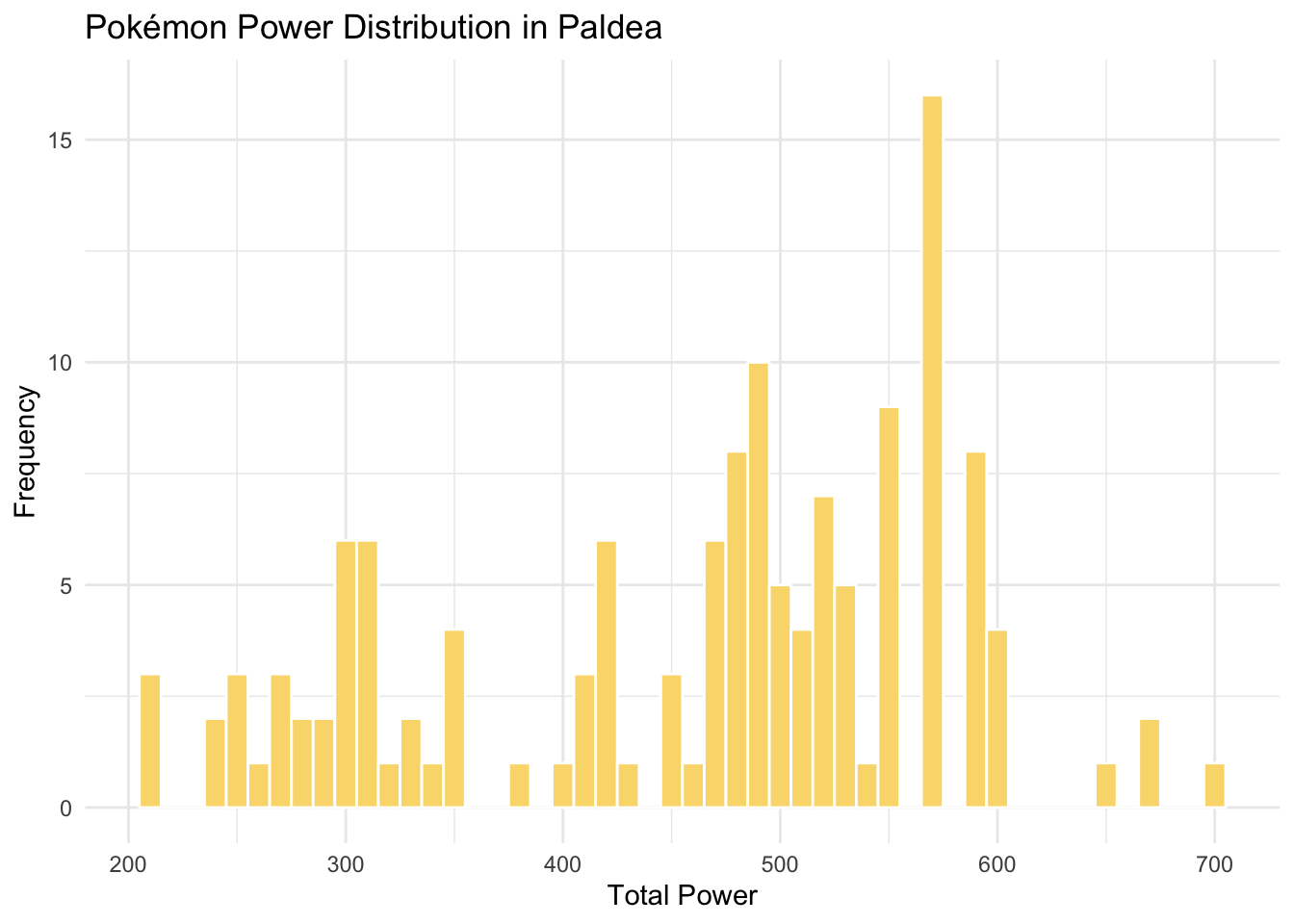
This analysis examines the distribution of Pokémon attributes, such as base stats, abilities, and typing, across different regions, revealing how these characteristics vary based on regional environments and design philosophies. By evaluating attribute frequency and stat distributions, users can uncover trends in how Pokémon are balanced within their ecosystems. Interactive visualizations allow trainers to compare regional averages, explore outliers, and gain insights into how different factors—such as habitat, evolution, and competitive viability—shape the distribution of Pokémon attributes. This resource is designed for educators, researchers, and enthusiasts, offering an engaging and accessible approach to exploring Pokémon metadata through statistical analysis.
Understanding the distribution of Pokémon attributes across regions provides valuable insights into game design and strategic planning. By analyzing patterns in base stats, ability prevalence, and type distributions, we can observe how certain attributes are emphasized in specific areas. This analysis highlights regional variation in Pokémon design, from power scaling in later generations to introducing unique abilities that reflect environmental adaptation. By studying these differences, we can better appreciate how Pokémon attributes evolve over time and across different settings. Beyond identifying trends, this analysis enhances strategic decision-making for trainers and researchers. Understanding which stat distributions and abilities are most common in each region helps trainers optimize team compositions, anticipate battle dynamics, and adapt to competitive landscapes. For researchers, these findings provide a data-driven perspective on how the Pokémon series develops its in-game ecosystems, reinforcing the connection between game mechanics, regional themes, and attribute balance. By engaging with this data, users can uncover new perspectives on the Pokémon universe and explore the intricate relationship between Pokémon attributes and their designed environments.